
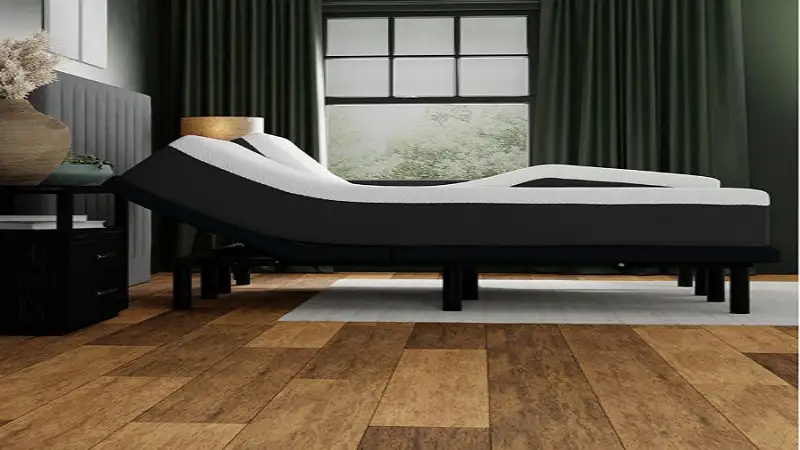
Quality sleep plays a vital role in overall health, affecting everything from physical recovery and immune function to mood and mental clarity. While many factors influence sleep quality, one of the most important is the mattress you sleep on. Over the past two decades, memory foam mattresses have become increasingly popular due to their ability to provide pressure relief, body contouring, and improved spinal support.
Originally developed by NASA to improve seat cushioning and crash protection for astronauts, memory foam has evolved into one of the most widely used sleep materials in modern mattresses. Today, millions of people rely on memory foam to help them achieve deeper, more restorative sleep.
Pressure Relief for Joint and Muscle Comfort
One of the most significant health benefits of memory foam mattresses is their ability to reduce pressure points. Traditional spring mattresses can create areas of concentrated pressure, particularly around the hips, shoulders, and lower back. Over time, these pressure points can lead to discomfort, tossing and turning, and disrupted sleep.
Memory foam works differently. The material responds to body heat and weight, allowing it to contour closely to the sleeper’s shape. This even distribution of body weight helps relieve pressure on sensitive areas and promotes better circulation throughout the night.
For individuals with arthritis, joint pain, or muscle soreness, this pressure-relieving support can make a noticeable difference in sleep quality.
Improved Spinal Alignment
Maintaining proper spinal alignment during sleep is critical for preventing back pain and stiffness. A mattress that is too firm may create gaps between the body and the surface, while one that is too soft may allow the body to sink excessively.
Memory foam adapts to the natural curves of the body, helping keep the spine in a neutral position while supporting the neck, shoulders, and hips. This balanced support can reduce strain on the lower back and help many sleepers wake up feeling more refreshed and less stiff.
People who suffer from chronic back discomfort often find that switching to memory foam provides better long-term support compared to traditional innerspring mattresses.
Reduced Motion Transfer for Better Sleep
Another major advantage of memory foam is its ability to absorb movement. On many traditional mattresses, movement from one side of the bed can easily transfer across the surface. This can be disruptive for couples when one partner moves, changes positions, or gets in and out of bed.
Memory foam isolates motion extremely well, allowing each sleeper to move without disturbing the other. This can be particularly beneficial for light sleepers who are easily awakened during the night.
Better uninterrupted sleep cycles contribute to improved energy levels, mental focus, and overall health.
Support for Multiple Sleep Positions
Different sleep positions require different levels of support. Side sleepers often need extra cushioning around the shoulders and hips, while back sleepers benefit from balanced spinal support.
Memory foam naturally adapts to these varying needs, making it a versatile option for many types of sleepers. Because the material molds to the body rather than pushing back against it, it can provide comfort whether someone sleeps on their back, side, or a combination of positions.
Many modern sleep systems even combine memory foam with adjustable bases or customizable firmness options, similar to those found in premium sleep systems and advanced air mattress technologies designed for personalized comfort.
A Healthier Sleep Environment
Many modern memory foam mattresses are manufactured with materials that resist dust mites and allergens, helping create a cleaner sleep environment. This can be beneficial for individuals who suffer from allergies or respiratory sensitivities.
Additionally, newer generations of memory foam often incorporate breathable structures, cooling gels, or open-cell designs that help regulate temperature and improve airflow compared to older foam materials.
Investing in Better Sleep
Sleep experts consistently emphasize that quality sleep is one of the most important pillars of good health. A supportive mattress plays a key role in achieving that goal.
Memory foam mattresses offer a unique combination of pressure relief, spinal alignment, motion isolation, and personalized comfort. For many sleepers, these benefits translate into deeper rest, reduced discomfort, and improved daily energy.
When choosing a mattress, it’s important to consider materials and support systems that match your individual sleep needs. Many sleepers explore options like memory foam and customizable sleep systems when browsing collections of premium mattresses designed for pressure relief and full-body support, helping create a sleep environment that promotes long-term health and wellness.