
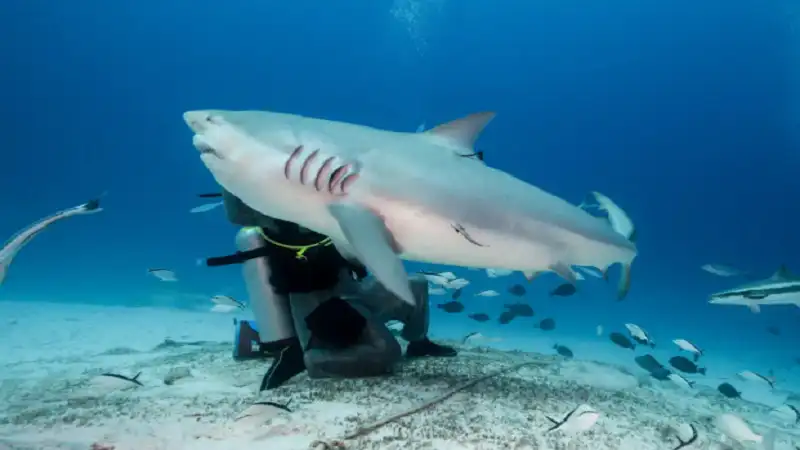
A Fiji shark dive is one of the most thrilling underwater experiences in the world. Known for its clear waters, vibrant reefs, and diverse shark species, Fiji attracts divers from the United States looking for both adventure and safety. Whether you’re a certified diver or planning your first big dive trip, Fiji offers an unforgettable encounter with some of the ocean’s most fascinating predators.
Why Choose a Fiji Shark Dive?
Fiji is often called the “Soft Coral Capital of the World,” but it’s equally famous for shark diving. What makes a Fiji shark dive unique is the variety of species you can encounter in a single dive. It’s common to see bull sharks, reef sharks, and even tiger sharks, depending on the location and season.
Another reason divers from the US choose Fiji is the professional dive operations. Safety standards are high, and guides are experienced in handling shark encounters responsibly. This makes Fiji a great destination even for those who are new to shark diving.
Top Locations for Shark Diving in Fiji
Beqa Lagoon
Beqa Lagoon is the most famous shark diving destination in Fiji. Located near Viti Levu, it’s known for organized shark dives where multiple species are attracted under controlled conditions. Divers can often see up to eight different species in a single dive, making it a must-visit spot.
Pacific Harbour
It’s where most shark diving tours are based, offering easy access and a range of dive packages.
Vanua Levu
For a less crowded experience, Vanua Levu offers more relaxed shark diving opportunities. While sightings may be less intense than at Beqa Lagoon, the natural environment and fewer divers make it ideal for those seeking a quieter adventure.
What Sharks Can You See?
During a Fiji shark dive, you may encounter a variety of species, including:
- Bull sharks
- Tiger sharks
- Blacktip reef sharks
- Whitetip reef sharks
- Nurse sharks
Each dive is different, but the diversity is one of the biggest highlights. Seeing these sharks up close in their natural habitat is both exciting and educational.
Is Shark Diving in Fiji Safe?
Safety is a top priority for all reputable dive operators in Fiji. Shark dives are conducted with strict guidelines, including briefing sessions, controlled feeding practices (where applicable), and experienced dive masters.
Divers are usually positioned behind natural barriers or instructed to remain still while guides manage the environment. As long as you follow instructions, a Fiji shark dive is considered very safe.
Best Time to Go for a Fiji Shark Dive
Fiji offers year-round diving, but the best conditions are typically from May to October. During these months, visibility is excellent, and water temperatures are comfortable.
That said, shark sightings can happen any time of year, so your travel schedule can be flexible. US travelers often plan trips during the winter months to escape colder weather back home.
Tips for First-Time Shark Divers
If you’re new to shark diving, here are some helpful tips:
- Stay calm and avoid sudden movements
- Maintain eye contact with nearby sharks
- Follow your guide’s instructions at all times
- Keep good buoyancy control
- Use appropriate dive gear
Preparation and awareness can greatly enhance your experience and confidence underwater.
Planning Your Trip from the US
Traveling from the United States to Fiji is easier than many expect, with direct flights available from major cities like Los Angeles and San Francisco. Once you arrive, most shark diving locations are accessible within a few hours.
It’s recommended to book your dives in advance, especially during peak travel seasons. Many packages include accommodation, meals, and multiple dives, making trip planning simple and convenient.
Conclusion
A Fiji shark dive offers a rare combination of adrenaline, beauty, and marine education. With world-class dive sites like Beqa Lagoon and a strong focus on safety, it’s no surprise that divers from the US consider Fiji a top destination. Whether you’re chasing your first shark encounter or adding to your dive log, Fiji delivers an experience you won’t forget. See more